
How to Read Supplement Labels: What to Look For and What to Avoid
Key Takeaways
How to interpret supplement labels effectively:- Deciphering the Supplement Facts Panel: Understanding serving size, active ingredients, and daily values ensures accurate dosage and nutrient intake.
- Identifying High-Quality Supplements: Look for third-party testing, high bioavailability, and transparent ingredient lists to ensure product safety and effectiveness.
- Avoiding Misleading Labels: Be cautious of proprietary blends, artificial additives, and unregulated health claims that may indicate poor-quality supplements.
- Common Misconceptions Debunked: Terms like "natural" don’t always mean safe, more isn't always better, and supplements aren’t FDA-approved like medications.
Article by Arnie Gitomer Sep 5, 2025
When selecting vitamins and supplements, the product label provides essential details about what’s inside the bottle. But let's be honest—deciphering a supplement fact label can feel overwhelming. With complicated nutrition facts, misleading claims, and unfamiliar dietary ingredient names, making informed decisions about supplement use isn’t always easy.
We’re committed to helping you read a supplement label like a pro at Willner Chemists. This guide will walk you through how to check the label carefully, what to avoid, and how to choose the best supplements for your health.
You can also check out this guide from Healthline for an in-depth look at how to read supplement labels.
Understanding the Supplement Facts Panel
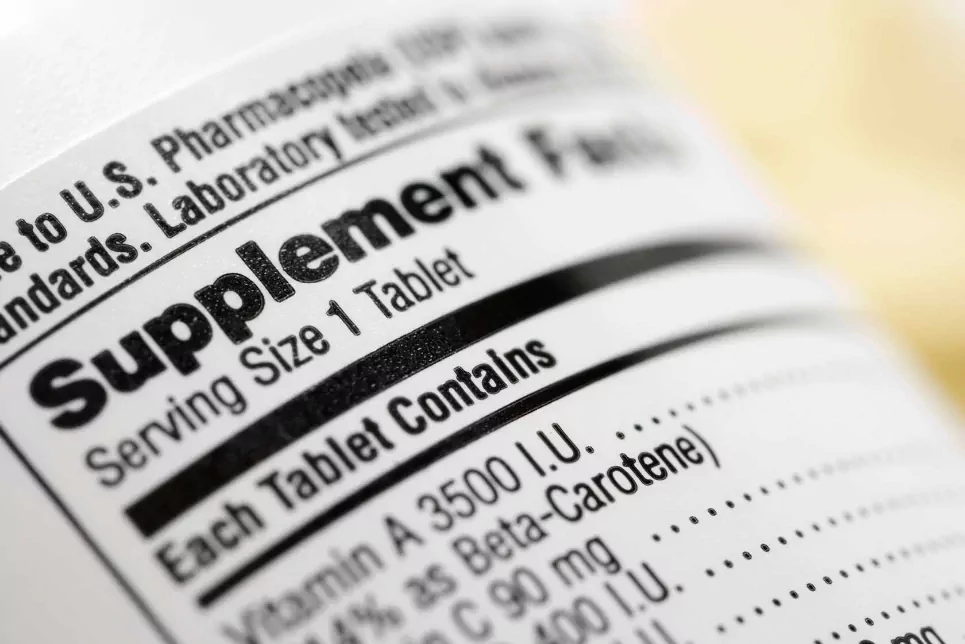
The supplement facts panel helps consumers evaluate the quality of a dietary supplement product. If you know how to read supplement labels, you can assess the amount per serving, active ingredients, and any additional components like dietary fiber or major food allergens.
Serving Size and Number of Servings
- The serving of the product tells you how much to take at one time.
- The number of servings per container indicates how many doses the bottle provides.
- To compare different supplements, ensure you're looking at the same amounts listed per serving.
Active Ingredients and Their Dosages
- The supplement fact label lists the key supplement ingredients, which may include vitamins, minerals, or herbal extracts.
- The amount per serving should align with the daily reference value or your specific nutritional needs.
- The order of predominance matters—ingredients listed first are present in the highest quantities.
Percent of the Daily Value (%DV)
- Daily values are based on general nutrition guidelines and provide a benchmark for intake.
- Some nutrients, like magnesium stearate, may not have an established DV for protein and must be specified for certain supplements.
What to Look for in High-Quality Supplements
Not all supplements are created equal, and knowing what to look for can help you choose safe and effective products. Prioritizing third-party testing, bioavailability, and clean ingredient lists ensures that you select supplement products that support your health without unnecessary additives or ineffective formulations.
For expert advice on how to read a supplement label, visit the United States Pharmacopeia’s guide on supplement quality and labeling.
Third-Party Testing and Certifications
One of the best ways to verify the safety or effectiveness of supplements is to check for third-party testing seals. Organizations like USP (United States Pharmacopeia), NSF International, and ConsumerLab test dietary supplement products to ensure they meet strict quality, purity, and potency standards.
When a supplement fact label carries one of these certifications, it confirms that the product contains what it claims, free from harmful contaminants or misleading ingredient quantities. Verifying independent testing is a good quality indicator if you want to choose the best supplements.
Bioavailability and Absorption
The effectiveness of vitamins and supplements depends on the amount per serving and how well the body absorbs and utilizes the nutrients. Some forms of dietary ingredients are significantly more bioavailable than others. For instance, magnesium citrate is more easily absorbed than magnesium oxide, and methylcobalamin (B12) is superior to cyanocobalamin in absorption and retention.
Checking for highly absorbable nutrients ensures you get the maximum benefit from the supplement ingredients listed on the label.
Clean and Transparent Ingredient Lists
A high-quality dietary supplement label should reflect a clean and transparent formulation. Look for supplements with minimal and recognizable ingredients, free from unnecessary fillers or artificial additives. Avoid supplements that contain a long list of synthetic excipients, artificial colors, or preservatives.
Choosing non-GMO, organic, and allergen-free products for those with dietary restrictions ensures a safer and more effective supplement use experience. If a product label discloses all supplement ingredients without hiding behind proprietary blends, it's a sign that the manufacturer is committed to transparency and quality.
Red Flags: What to Avoid on Supplement Labels
Some supplements list ingredients that raise concerns regarding purity and potency. Learning how to steer clear of supplements with questionable components is key. Below are some common red flags to watch out for when evaluating a dietary supplement label.
Proprietary Blends and Hidden Ingredients
One major issue to watch for is proprietary blends. Some dietary supplement product labels use these blends without disclosing the exact amounts of each specific nutrient, making it difficult to determine what you consume. Always read a supplement facts panel carefully to ensure full transparency.
Artificial Additives and Fillers
Artificial additives and fillers are another concern. Many supplement products contain synthetic preservatives like magnesium stearate and artificial colors and flavors that serve no nutritional purpose. Some supplements that contain a long list of unnecessary excipients may also include fillers that dilute the active ingredients, reducing effectiveness.
Unregulated Claims and False Promises
Unregulated claims and false promises are equally problematic. The Food and Drug Administration does not approve dietary supplements before they reach the market, which means some companies make exaggerated claims. Be cautious of products that claim to cure diseases, guarantee instant results, or display misleading labels without clear regulations on supplements. Always evaluate a supplement fact label critically to ensure it provides accurate and verifiable information.
Common Misconceptions About Supplement Labels
Understanding a nutrition facts label is key to making informed decisions about supplements. Many consumers rely on facts labels on bottles to determine product safety and effectiveness, but misconceptions about vitamins and minerals can lead to confusion. Knowing what to look for when you read the label helps you make better choices.
"Natural" Means Safe
Many people assume that if the name of the dietary supplement includes the word "natural," it must be completely safe. However, this isn’t always the case. Some ingredients in the product may still come from genetically modified organisms (GMOs) unless the product carries verification from the Non-GMO Project. Additionally, certain supplements labeled as "natural" may still contain prohibited substances or allergens like tree nuts, which can cause a severe food allergy reaction in sensitive individuals. Always check the full nutrition facts label to verify ingredient sources and possible allergens.
More Is Better
Taking higher doses of vitamins and minerals may seem beneficial, but excessive intake can have negative effects. The percent daily value on the nutrition label provides a reference for safe consumption, ensuring one serving contains an appropriate dosage. Consuming amounts far beyond the recommended percent daily intake can result in adverse effects. Instead of assuming that more is better, focus on selecting high-quality supplements that align with your dietary needs and consult a healthcare provider for guidance.
Supplements Guidelines
Unlike medications, supplement products must follow labeling regulations but are not pre-approved by the U.S. Food and Drug Administration (FDA) for effectiveness before being sold. However, reputable supplement brands adhere to guidelines set by organizations like the Council for Responsible Nutrition, which helps ensure product transparency and safety. When you read the label, look for third-party testing certifications and quality seals, which serve as a way to ensure the supplement meets industry standards.
FAQs: Your Supplement Label Questions Answered
How can I tell if a supplement contains allergens?
The facts label includes an “Other Ingredients” section that lists potential allergens. Common allergens like soy, dairy, gluten, shellfish, and tree nuts must be clearly disclosed. Always check the label carefully before purchasing if you have a severe food allergy.
Are synthetic vitamins as effective as natural ones?
It depends on the form of the nutrient. Some synthetic vitamins, such as ascorbic acid (vitamin C), have a similar nutrition facts panel to their natural counterparts. However, other synthetic forms, like synthetic vitamin E, may not be as bioavailable. The ingredients in the product determine absorption and effectiveness.
Can supplements interact with medications?
Yes, certain types of supplements can interfere with medications. St. John’s Wort, for example, may reduce the effectiveness of antidepressants and birth control. Always consult a healthcare provider before adding new supplements to your routine.
What does "standardized extract" mean on an herbal supplement?
A standardized extract ensures consistent potency of the active ingredient in a supplement. This is particularly relevant for bovine colostrum supplements, turmeric, or ginseng, where dosage variations can affect efficacy. Standardization provides an idea of how much of the active ingredient is included in one serving.
Should I avoid supplements that don’t have third-party testing?
Third-party testing isn’t mandatory, but it’s a way to ensure that the supplement meets safety and quality standards. If a nutrition facts label lacks information about independent testing, consider researching the brand’s commitment to transparency.
How can I tell if a supplement is expired or degraded?
Proper storage of supplements is essential for maintaining potency. Exposure to heat, moisture, and light can cause degradation over time. Check the expiration date and ensure the product is stored in a cool, dry place, away from direct sunlight.
Finally
By understanding how to read a supplement label and what to watch for, you can make informed decisions about your health. Whether you are evaluating ingredients in the product, looking for non-GMO Project certification, or ensuring the supplement was grown without the use of harmful chemicals, knowing what to check allows you to choose the best products for your needs.
For high-quality supplements and expert guidance, visit Willner Chemists.
 |
Read more about Arnie Gitomer |